
 Breast Surgical Oncologist
Advanced Surgical Services - By Dr. Neemesh Lodh
- Services
- Breast Cancer Surgery (Early & Advanced Stage)
- Breast Conserving Surgery (Lumpectomy)
- Oncoplastic Breast Surgery & Reconstruction
- Skin-Sparing & Nipple-Sparing Mastectomy
- Sentinel Lymph Node Biopsy & Axillary Surgery
- Mammary Ductoscopy for Nipple Discharge
- Breast Lump Evaluation & Biopsy
- Management of Benign Breast Diseases
- Gynecomastia (Male Breast) Surgery
- Chemoport Insertion for Chemotherapy
- Genetic Counseling & Risk Reduction Surgery
- High-Risk Breast Cancer Screening Programs
- Multidisciplinary Breast Cancer Care Planning
Mammary Ductoscopy for Nipple Discharge
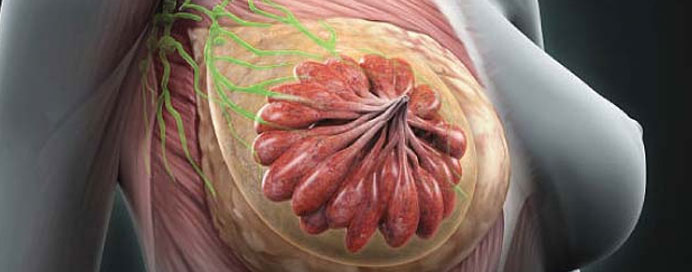
Mammary ductoscopy is a minimally invasive diagnostic procedure used to evaluate the milk ducts of the breast in patients experiencing abnormal nipple discharge. It involves the insertion of a very thin fiber-optic endoscope through the natural opening of the nipple to directly visualize the ductal lining. This technique helps identify the exact cause of discharge, such as intraductal papilloma, ductal ectasia, or early-stage malignancy, without the need for major surgery. Mammary ductoscopy is especially useful in cases of spontaneous, unilateral, or blood-stained nipple discharge where imaging results may be inconclusive.
What is Nipple Discharge?
Nipple discharge refers to any fluid that comes out of the nipple, either spontaneously or when pressed. While it can be normal in some conditions (pregnancy, lactation), abnormal discharge may indicate an underlying ductal problem. Concerning features include:
- Discharge from a single duct
- Blood-stained or clear watery discharge
- Spontaneous (without squeezing)
- Associated breast lump
Why is Mammary Ductoscopy Done?
Mammary ductoscopy is recommended when:
- Routine imaging like mammography or ultrasound does not clearly identify the cause
- There is persistent or recurrent nipple discharge
- The discharge is suspicious (bloody or from one side only)
- Precise localization of a lesion is required before surgery
Advantages of Mammary Ductoscopy
- Direct visualization of ductal abnormalities
- Minimally invasive with minimal discomfort
- Helps avoid unnecessary wide duct excision
- More accurate localization of small intraductal lesions
- Faster recovery compared to traditional surgery