
 Breast Surgical Oncologist
Advanced Surgical Services - By Dr. Neemesh Lodh
- Services
- Breast Cancer Surgery (Early & Advanced Stage)
- Breast Conserving Surgery (Lumpectomy)
- Oncoplastic Breast Surgery & Reconstruction
- Skin-Sparing & Nipple-Sparing Mastectomy
- Sentinel Lymph Node Biopsy & Axillary Surgery
- Mammary Ductoscopy for Nipple Discharge
- Breast Lump Evaluation & Biopsy
- Management of Benign Breast Diseases
- Gynecomastia (Male Breast) Surgery
- Chemoport Insertion for Chemotherapy
- Genetic Counseling & Risk Reduction Surgery
- High-Risk Breast Cancer Screening Programs
- Multidisciplinary Breast Cancer Care Planning
Breast Cancer Surgery (Early & Advanced Stage)
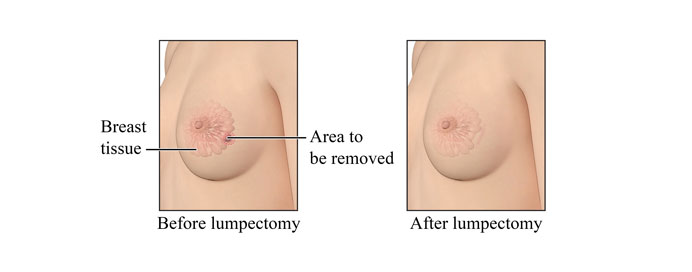
Breast cancer surgery is a crucial part of treatment aimed at removing cancerous tissue from the breast while preserving as much healthy tissue as possible. Depending on the stage and spread of the disease, surgical options range from breast-conserving procedures in early-stage cancer to more extensive surgeries in advanced cases. The primary goal is complete tumor removal, prevention of recurrence, and improvement of survival rates, often combined with chemotherapy, radiation therapy, or hormonal therapy for comprehensive care.
Types of Breast Cancer Surgery
- Lumpectomy (Breast-Conserving Surgery) – Removal of the tumor along with a margin of healthy tissue.
- Mastectomy – Complete removal of the breast when the tumor is large or widespread.
- Modified Radical Mastectomy – Removal of the breast along with nearby lymph nodes.
- Sentinel Lymph Node Biopsy – Assessment of the first lymph nodes to check cancer spread.
- Axillary Lymph Node Dissection – Removal of multiple lymph nodes if cancer has spread.
Surgery for Early-Stage Breast Cancer
In early-stage breast cancer, surgery focuses on removing the tumor while preserving the appearance and function of the breast whenever possible. Breast-conserving surgery followed by radiation therapy is commonly recommended. This approach provides excellent survival outcomes and helps maintain body image and confidence. Early detection significantly improves the chances of successful treatment.
Surgery for Advanced-Stage Breast Cancer
In advanced stages, surgery may involve more extensive procedures such as mastectomy with lymph node removal. The treatment plan is often combined with chemotherapy, targeted therapy, or hormonal therapy to control the disease. In some cases, surgery is performed after shrinking the tumor with neoadjuvant therapy to achieve better results and reduce recurrence risk.