
 Breast Surgical Oncologist
- Services
- Breast Cancer Surgery (Early & Advanced Stage)
- Breast Conserving Surgery (Lumpectomy)
- Oncoplastic Breast Surgery & Reconstruction
- Skin-Sparing & Nipple-Sparing Mastectomy
- Sentinel Lymph Node Biopsy & Axillary Surgery
- Mammary Ductoscopy for Nipple Discharge
- Breast Lump Evaluation & Biopsy
- Management of Benign Breast Diseases
- Gynecomastia (Male Breast) Surgery
- Chemoport Insertion for Chemotherapy
- Genetic Counseling & Risk Reduction Surgery
- High-Risk Breast Cancer Screening Programs
- Multidisciplinary Breast Cancer Care Planning
What is breast reconstruction surgery?
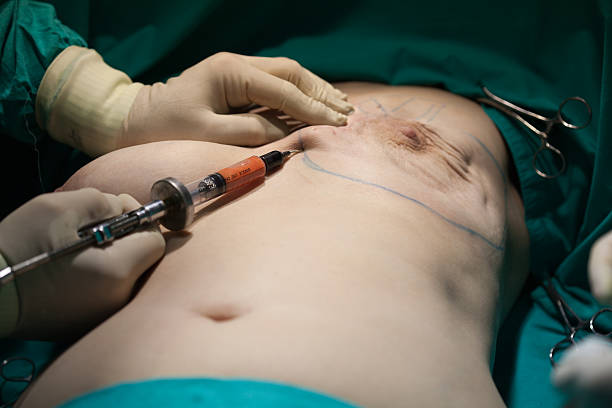
The process of reconstructing (shaping again) a breast that has been surgically removed (mastectomy) or partially removed (lumpectomy) due to cancer is known as breast reconstruction. The procedure for removing an entire breast (i.e. a total mastectomy) and a small portion of a breast (i.e. a partial mastectomy) can both be done for either therapeutic or preventative treatments for breast cancer. Mastectomy (complete removal of breast including the nipple and areola) is an extensive surgical procedure versus lumpectomy (only the removal of the portion of breast with the small tumor) which is not as extensive as mastectomy. The Best Breast Surgery and Reconstruction Specialist in Dombivli has state of the art technology, individualized care plans, and delivers the best possible cosmetic and medical results.
When determining which type of breast reconstruction will work best for your particular needs, multiple considerations will come into play. The two primary types of breast reconstruction include: 1. Prosthetic or implant surgery utilizes either silicone or saline implants to restore the breast to its normal shape and size; and, 2. Skin flap or autogenous tissue reconstruction uses tissue harvested from another part of one's own body to create a breast contour.
A surgeon sometimes combines both rehabilitation methods while fixing up breast(s) if the nipple and/or areola were traumatized (e.g., via tumor removal) from breast cancer treatments in order to rebuild them with other procedures, termed direct restoration. Direct restoration refers to breast reconstructions done at the same time as lumpectomy or mastatectomy, while delayed restorations are done after recovery from massive removals and after no more treatment is needed because of a tumor, directed by a breast reconstruction and surgery specialist at the Best Breast Surgery and Reconstruction Specialist in Dombivli, for optimal safety and personalized attention.
Recovery
According to several Women's Health Centers, breast reconstruction surgery is one option available for females with a history of breast cancer. As you search for the Best Breast Surgery and Reconstruction Specialist in Dombivli, you'll want to understand what happens during the recovery process and what options are available to you. Patients are generally required to spend between 1 and 4 days in the hospital after breast reconstruction surgery, regardless of whether they undergo flap reconstruction or implant placement surgery. A woman may require numerous procedures to completely restore one or both breasts. Recovery from flap surgery generally takes longer than recovery from implant placement. Most patients will not be able to resume most activities for at least two months after either procedure. Some women may experience psychological issues related to their loss of one or both breasts for an indefinite period of time after surgery.
The first eight (8) weeks following breast reconstruction surgery can be characterized by the following effects on recovery:
- Fatigue
- Inflammation, Bruising, Swelling, or Tenderness in the Breast Area as well as in the abdomen, back (for those who received skin flap reconstruction, the surgeon removed tissue from those locations), or buttocks.
- Inability to Use the Arms or Limited Use of Arms Above the Head.
You will receive information from the surgeon about using surgical drains or stitches, as well as any prescribed medications (for pain/discomfort) during the first few days of recovery. The surgeon may recommend that you wear an elastic support bra after surgery to assist with providing some support and reducing swelling of your reconstructed breasts. While reconstructed breasts will not feel like or look like your original (natural) breasts, you will experience some change in sensation over time (please see your doctor for more information if you have questions about achieving the best functional and cosmetic result with your Best Breast Surgery and Reconstruction Specialist in Dombivli).
Risks and complications
Individuals undergoing breast reconstruction surgery may encounter numerous complications and risks, such as:
- Blood loss; a hematoma (blood clot)
- Infection
- Ionic imbalance
- Complications associated with the injection of anaesthesia
- Fluid accumulation at the donor site or in the breast
- Extreme fatigue
- Work-related delayed wound healing
In addition to these complications that are directly related to the surgery, there are also several other health-related issues that can arise from the operation. These include:
- Necrosis (tissue death) of the flap or to surrounding tissue (skin and fat)
- MuscleWeakness in the donor site (skin flap)
- Change to the sensation of the breast/nipple
- Additional surgeries due to complications
- Breasts being different from each other
- Issues with the implants (keloids, displacement, rupture, leak)
- Removal of implants required.
It is not uncommon for additional, separate surgeries to occur in the future after the completion of a surgical procedure. Examples of future surgeries include any number of minor revision surgeries, which may occur months or years later and may be related to previous mastectomy procedures or previous placement of an implant or flap and will be due to ongoing treatments such as chemotherapy or radiation.Another example may be reconstructing the nipple. Nipple reconstruction is commonly performed to create the appearance of a projection on a reconstructed breast and involves the placement of small skin incisions to create a projection (nipple). Once the nipple reconstruction has been accomplished, it is common for an individual to request a tattoo around the newly reconstructed nipple and onto the surrounding skin to create the appearance of an areola.
A three-dimensional nipple tattoo can be created with shading that makes the tattoo appear like a raised nipple, rather than reconstructing an actual nipple. Additionally, another method for revision surgery is fat grafting. In this surgical procedure, the surgeon performs liposuction on the trunk or thighs and uses the fat collected from those areas to fill in the divots, hollow spots and irregular shapes of the reconstructed breasts. Patients may need more than one fat grafting session because some of the fat will be absorbed by the body after it is placed into the reconstructed breasts by the surgeon. After having their procedures performed by a Best Breast Surgery and Reconstructive Specialist in Dombivli, most patients are sent home on the same day because of the minimal downtime associated with the small size of the surgery.
Deciding to have surgery
Every woman makes an individual choice regarding breast reconstruction surgery. Some women who have undergone mastectomies have felt sadness over the loss of their breasts and have expressed concerns about their self-image and who they are. Patients can consult with a Board Certified Plastic Surgeon, the Best Breast Surgery and Reconstruction Specialist in Dombivli to discuss safe, effective, and aesthetically pleasing options for breast reconstruction that will not only help them heal physically but also help them to heal emotionally.
Because of this, many women will go ahead with breast reconstruction surgery. After deciding to move forward with the surgical reconstruction of their breasts, there are still many decisions that will need to be made regarding:
- the type of surgical technique to be performed
- when the surgical procedure will take place
- whether or not to perform surgical alignment of the other breast.
When exploring breast reconstruction options, there are several factors that both the physician and patient should investigate:A physician should take a patient's personal body type into account when selecting a breast reconstruction approach. For example, if a woman has a very slender physique, there may not be enough excess tissue from another part of the body to perform a skin flap operation.
The type of health (for example: whether an individual smokes or engages in other unhealthy behaviours), appearance and lifestyle of the patient.
- What kind of cancer you have/how it was treated.
-The amount of time and effort the patient will devote to the recovery process (postoperative period),
-If there are any additional procedures f beforehand (cosmetic or otherwise).
-Additionally
-What are the expectations for future cancer treatment (number of treatments)
-The patient's desire to heal in a timely manner postoperatively.
-If the procedure is typically covered by their insurance.
Frequently Asked Questions
1. Who is the best breast surgery and reconstruction specialist in Dombivli?
Dr. Neemesh Lodh is regarded by many as a premier breast surgical oncologist in the greater Dombivli area. He has over 15 years of experience performing sophisticated surgeries with great surgical results both aesthetically and with respect to patients' medical outcomes in the care of their advanced breast cancers and associated reconstruction.
2. What types of breast surgeries does Dr. Neemesh Lodh perform?
In order to provide his patients with customized surgical care, Dr. Lodh also performs various procedures, including breast reconstruction, oncoplastic breast surgery, skin and nipple-sparing mastectomy, and breast-conserving surgery.
3. What is oncoplastic breast surgery?
Oncoplastic surgery combines cancer removal with a cosmetic focus to improve the breast's appearance. Dr. Neemesh Lodh utilizes this procedure with a commitment to both aesthetic results and oncological safety.
4. Is breast reconstruction possible after mastectomy?
Breast reconstruction after mastectomy is possible with Dr. Neemesh Lodh's advanced reconstruction techniques that restore the natural shape of the breast to help enhance confidence and improve the overall quality of life.
5. What is Mammary Ductoscopy and when is it needed?
A mammary ductoscopy is a minimally invasive method for examining the milk ducts for abnormalities such as discharge or early signs of cancer. It allows for an accurate diagnosis and targeted treatment.